How Makhana Is Made: From Bihar’s Ponds to Your Bowl
October 13, 2026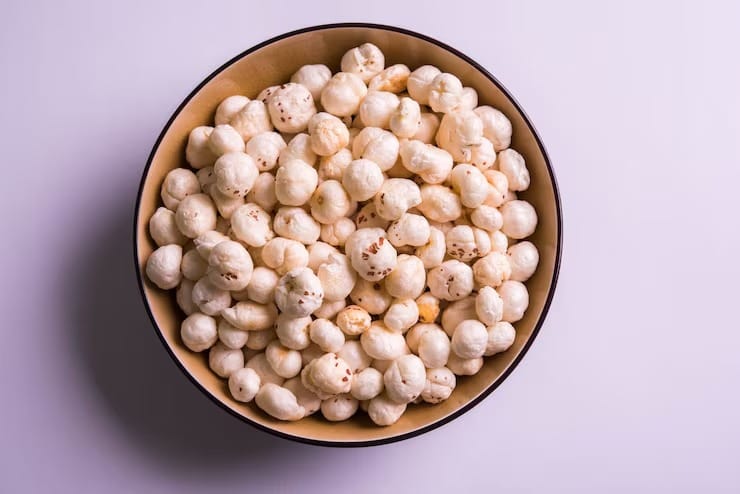
Makhana is popular as a light snack. Here is what 100 g of phool makhana actually contains, from the lab values printed on our Kosi Heritage pack — so you can decide for yourself how it fits your diet.
| Per 100 g | Value |
|---|---|
| Energy | 373.73 kcal |
| Protein | 10.57 g |
| Carbohydrate | 81.94 g |
| Total sugar | <1.0 g |
| Dietary fibre | 7.17 g |
| Total fat | 0.41 g |
| Saturated fat | <0.1 g |
| Trans fat | <0.1 g |
| Sodium | 6.85 mg |
What these numbers mean
- Very low in fat. Just 0.41 g of fat per 100 g before any ghee or oil is added.
- A useful amount of protein. 10.57 g per 100 g.
- Rich in dietary fibre. 7.17 g per 100 g.
- Almost no sugar. Less than 1 g per 100 g, with no added sugar in plain makhana.
- Very low in sodium when eaten plain — 6.85 mg per 100 g. Seasoning adds salt, so go easy if you are watching sodium.
- One ingredient. The ingredient list on our packs reads: 100% Phool Makhana.
- Light per handful. A 30 g bowl gives about 112 kcal.
Values can vary slightly between batches and grades. This article is general information, not medical advice — if you follow a special diet, check with your doctor or dietitian.
See the full label on Kosi Heritage or browse all makhana.